

Why is it that I spend so much time giving things names and visual identities, when some of the places where I feel I belong most have neither? I've been thinking about this while looking back at two exhibitions at Yerba Buena Center for the Arts in San Francisco, separated by more than twenty years. In Bay Area Now 3, which opened in 2002 and continued into 2003, I was both an exhibiting artist and the designer of the exhibition identity. In 2025, Common Space returned to YBCA to design the identity for MAKIBAKA: A Living Legacy, an exhibition about Filipino activism and cultural life in San Francisco. One piece of signage was installed in the area where my video work had appeared in the earlier show. I could never have imagined that the same institution would eventually mount an entire exhibition around the histories of Filipino social justice work in the city, much less that I'd be involved in giving it a visual form.

The earlier exhibition left me in a strange position. I remember understanding that my Filipino identity was part of why I'd been referred as an artist, and I was uneasy about being included through a category rather than having the work stand on its own. At the same time I was being asked to design the public language of the exhibition. My work was inside the show, and my graphic work was outside it, inviting other people in. I don't know that I had a particular vocabulary for that overlap then, although it has turned out to be a recurring position in my practice. A lot of what I do is both making something and making the circumstances in which that thing can be encountered.

I didn't join Filipino club in high school because I didn't think it was cool. I find that answer a little unsatisfactory now, especially because I already had something resembling a Filipino club in the neighborhood where I grew up outside Detroit. There were a number of Filipino families in our subdivision, a breakdancing crew made up mostly of Filipino kids, and all sorts of informal ways of recognizing one another. My parents had immigrated to the United States and wanted their children to fit in. They didn't teach me much Tagalog, and when I asked why, years later, they said, “We wanted you to fit in.” After their divorce, my own household no longer resembled some stable idea of Filipino family life either. Maybe the high-school club felt too much like a definition imposed on something I was already living. I probably didn't understand assimilation while I was navigating terrain with no map.
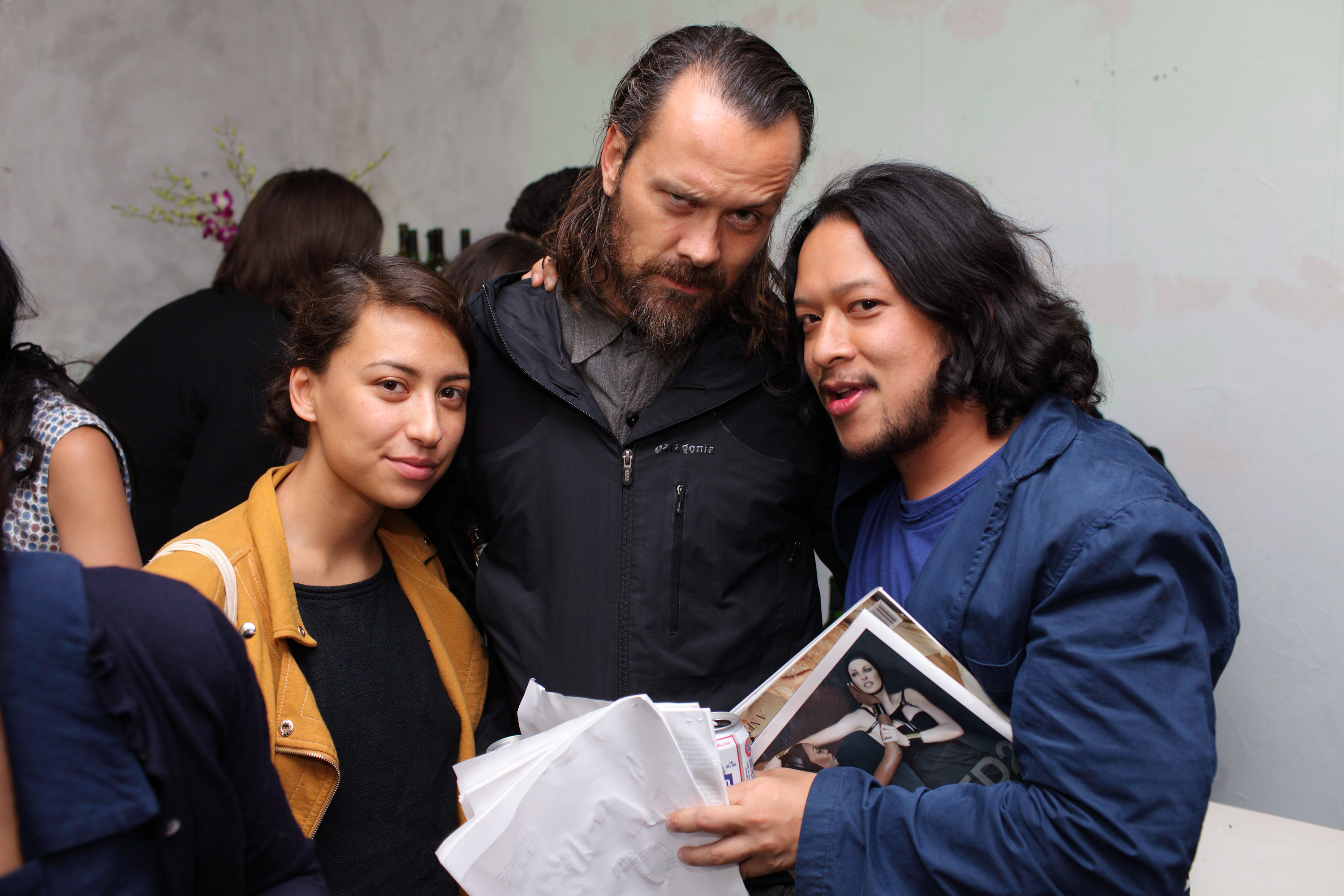
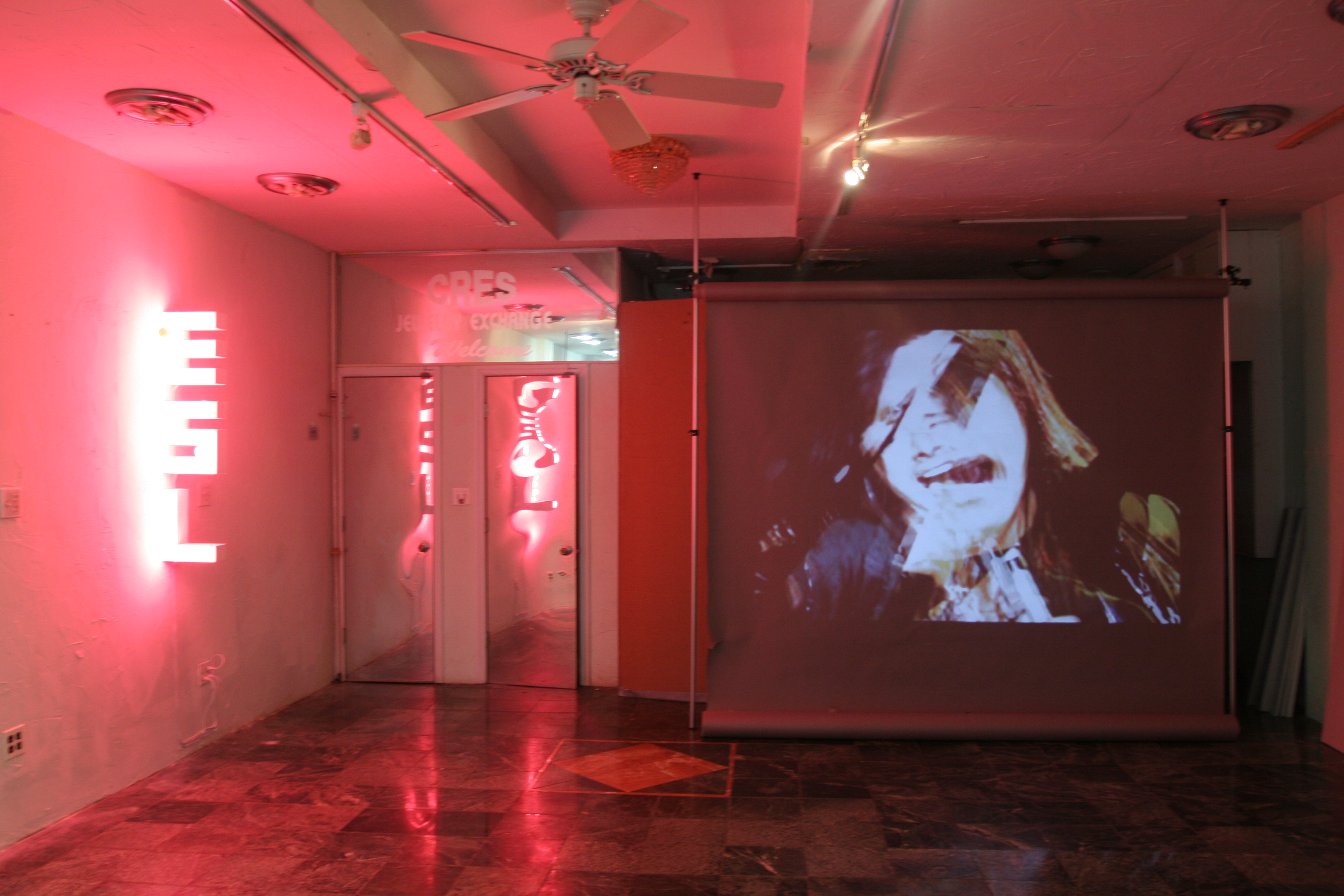
In 2009 I organized Blind Carbon Copy through Common Space, hosted by Margaret Lee at 47 Canal Street. It grew out of a proposed exhibition of Asian American artists for a corporate program at Viacomm (MTV / VH1, etc) that was canceled. Instead of letting the idea disappear, we brought a group of artists together in another setting. The exhibition included people working across art, fashion, photography and design, and the press release made fun of the corporate vocabulary of diversity programs, even as we were creating a platform that had begun through one. I also exhibited a video, Arnel Pineda, On and On and On and On, about the Filipino singer who joined Journey after performing covers of the band's music. The work deconstructed images of Pineda and Steve Perry, playing with the relationship between original and copy. I was thinking of my father, who played drums in a Filipino house band performing for American servicemen during the Vietnam War. When I once asked why he hadn't written his own songs, he said something like, why would I want to make new music when there was already so much good music out there? I was awestruck by the answer, and I'm still processing it.
Remixing is a part of how I work, whether I'm borrowing a visual reference, recombining found elements into something like a surreal collage, or moving a structure from one medium into another. Turntablism works with a similar set of possibilities: existing sound becomes new material through sequencing, interruption and context. I don't want to make a universal claim about Filipino culture here, but I do think diaspora complicates the idea that a culture has an original version that everyone else is merely copying. The meaning of a form changes when it travels. A particular rhythm, image, recipe or way of gathering can retain its history while becoming something different in someone else's hands. This may be why I've been drawn to producing contexts for other people's work as much as producing a finished object myself.
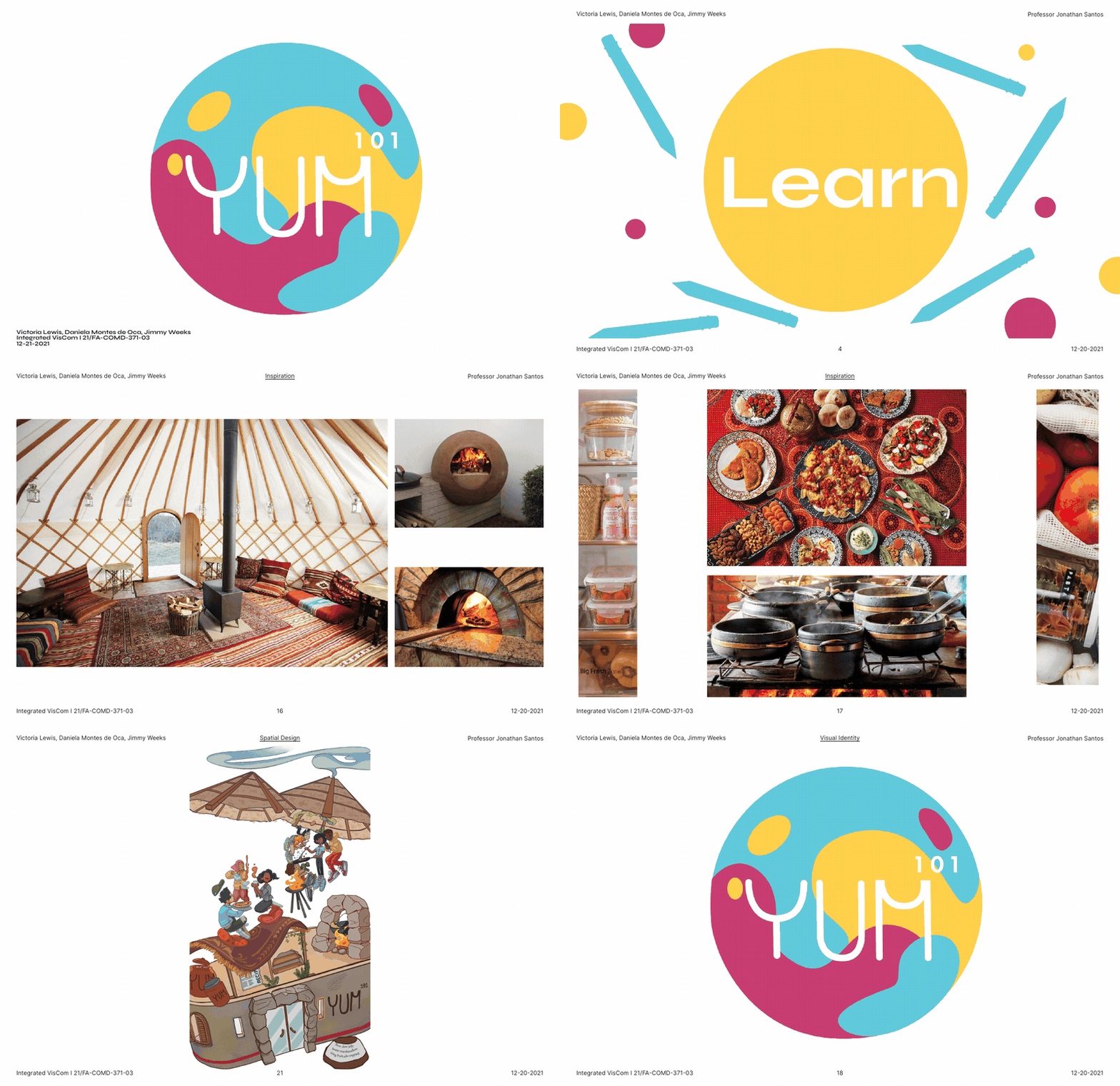
When I taught Cross-Platform Design at Pratt, I developed an assignment around what I called community-based platforms of resilience. Students had to invent a platform that people could actually participate in, beginning with a name and visual language but extending into a digital interface and an in-person gathering. The idea wasn't to make another app, or an Instagram account with a theme. I was interested in what could be done without much money, through a network that already existed or one that students wanted to build. In one project, YUM 101, three students proposed a platform around eating and learning together, including a visual system and the kinds of physical places in which those encounters might happen. The work was partly about design, but also about what might bring people into a room in the first place.
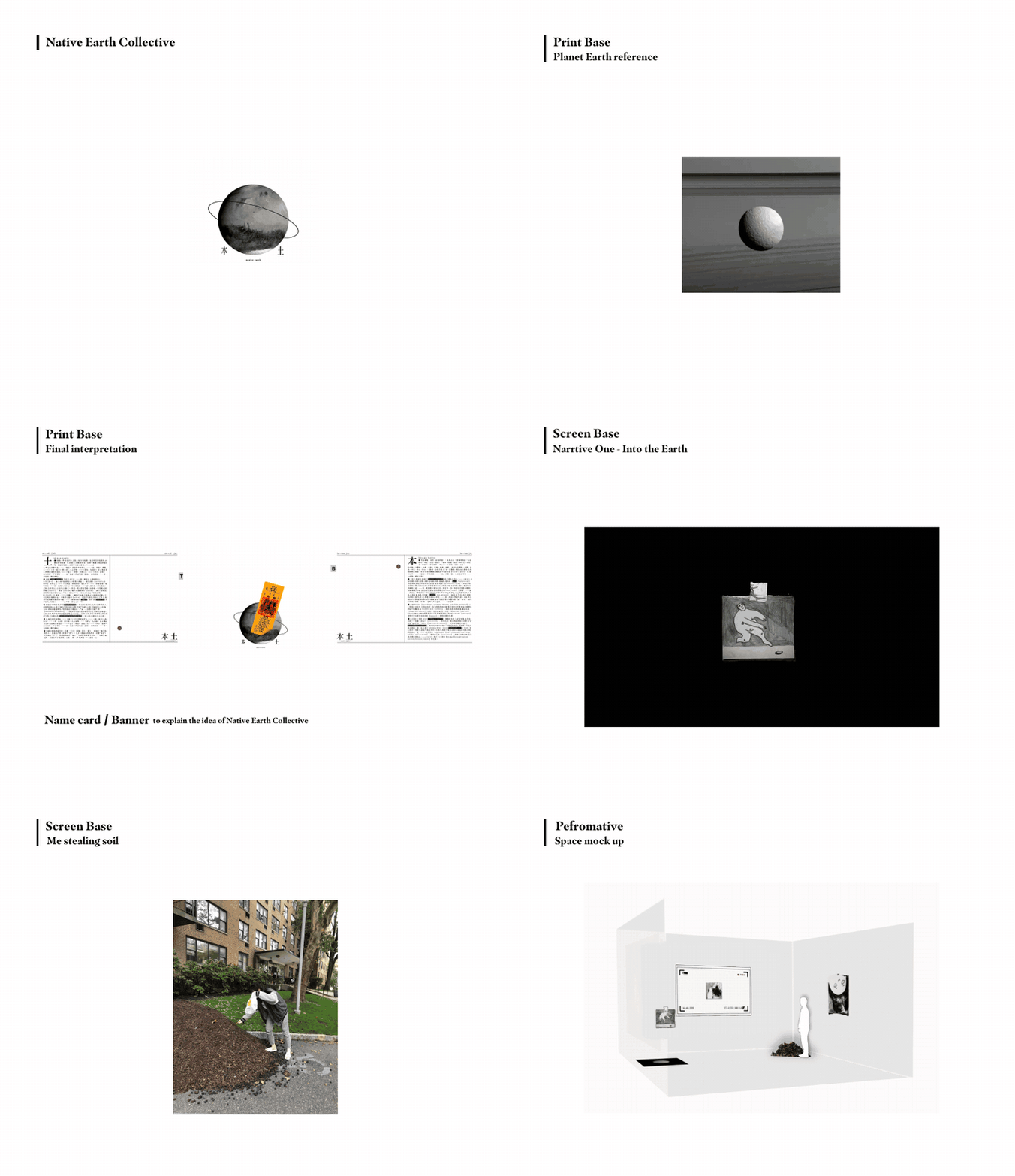
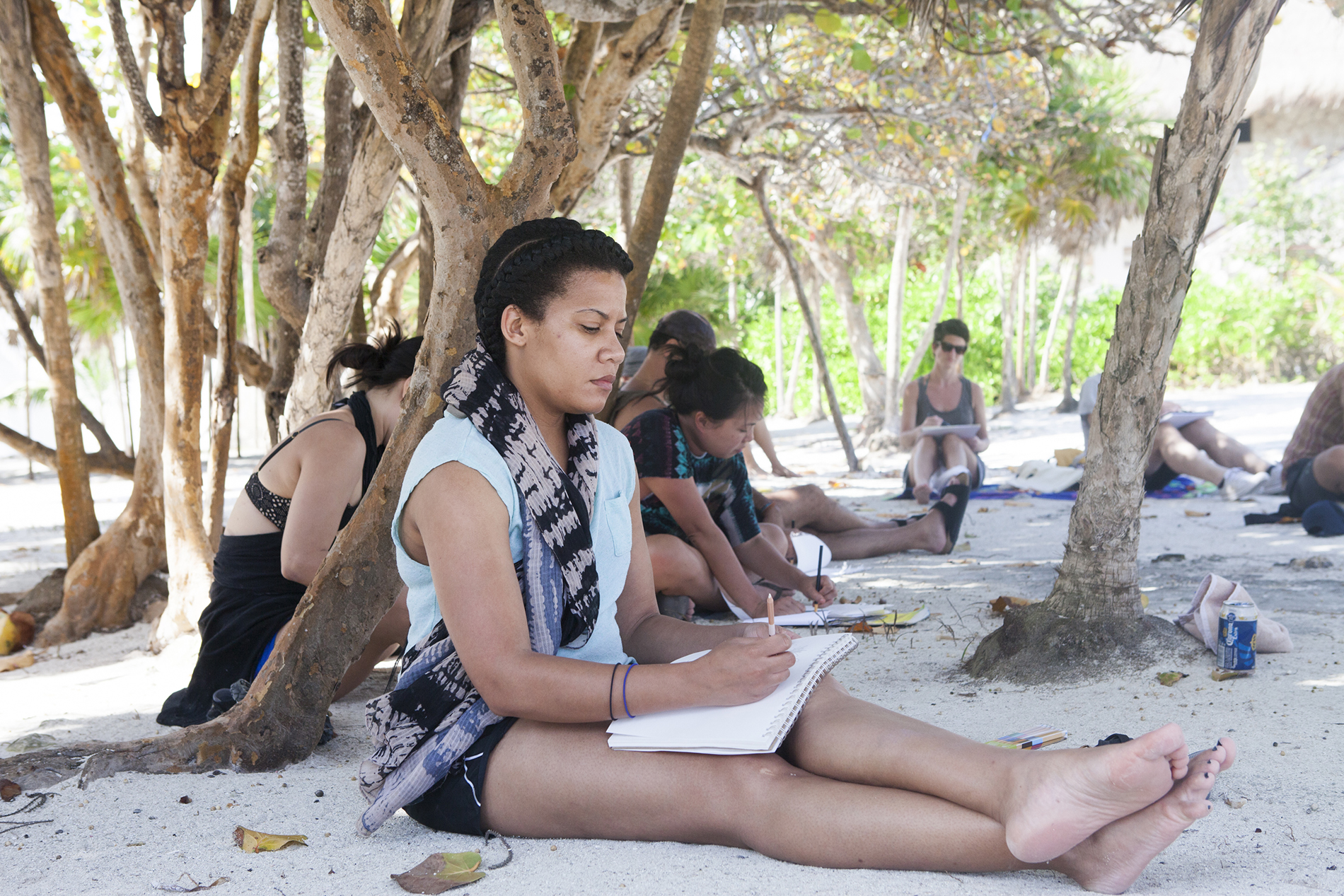
Ontopo, the independent art platform I've developed between New York and Hawaiʻi, is probably my clearest attempt to put this thinking into practice. At different gatherings artists have contributed performances, workshops, sound, food and other activities that respond to a specific place. In Tulum, for example, a group prayer at an archaeological site or a drawing session on the beach became the work itself, or at least part of a larger experience that none of us could have made individually. I'm not a professionally trained curator, and I've sometimes been uneasy using that designation around colleagues who are. I came to it through organizing, making and inviting other people to do something. I don't think the distinction is irrelevant, but the activity has often preceded the job title. Much of this work is not legible in a portfolio image because what mattered was what happened between people, in blocks of time measured by days unlike most social contexts that I am accustomed to.

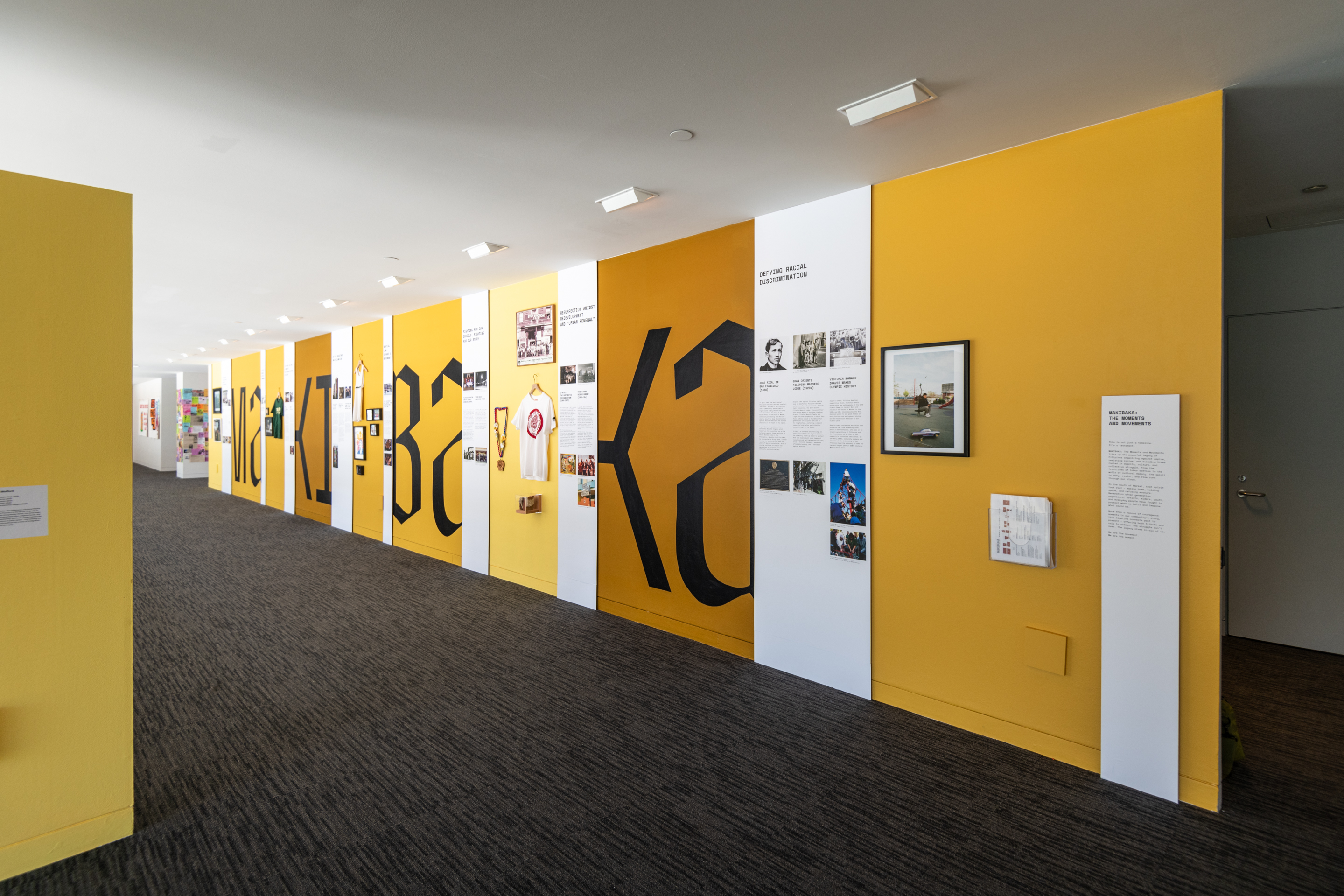
At MAKIBAKA, the task was more specific. Presented by SOMA Pilipinas in collaboration with YBCA, the exhibition brought together contemporary work and the history of Filipino activism in San Francisco. One part of our commission was to design a timeline of social justice organizing in the South of Market district during the 1970s and 80s. The black lettering moves across large yellow walls, interrupted by photographs, documents and objects. It isn't just a logo enlarged to fill an architectural surface; the typography has to work in relationship to a complex history that existed long before we arrived. I wanted the exhibition to be recognizable without reducing so many different experiences to a single picture of what Filipino culture is supposed to look like.
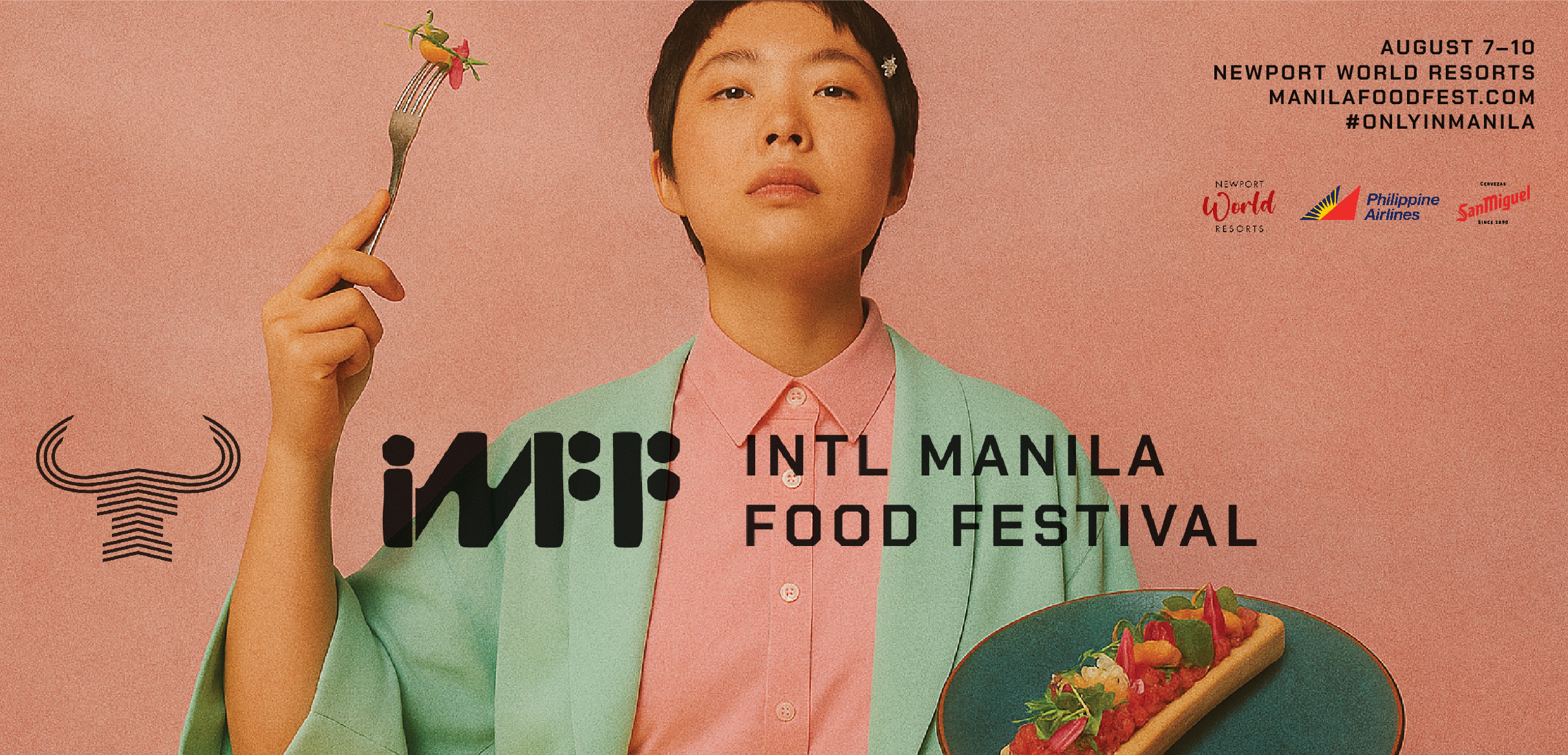
The identity we developed for the International Manila Food Festival in 2025 brought another version of cultural translation into the studio. I worked with Nicole Ponseca, whose restaurants Jeepney and Maharlika helped give Filipino food a new presence in New York. What interested me was the idea of diasporic Filipino chefs bringing their own versions of Filipino food back to Manila. Their interpretations had been shaped by the places where they lived, the ingredients available to them and the people they cooked for. Then the food returned home in altered form. We explored an art direction that played with food styling and unexpected visual combinations, including a pink and mint-green key visual which suggests that cultural authenticity can also be a conversation, not simply a fixed set of references.
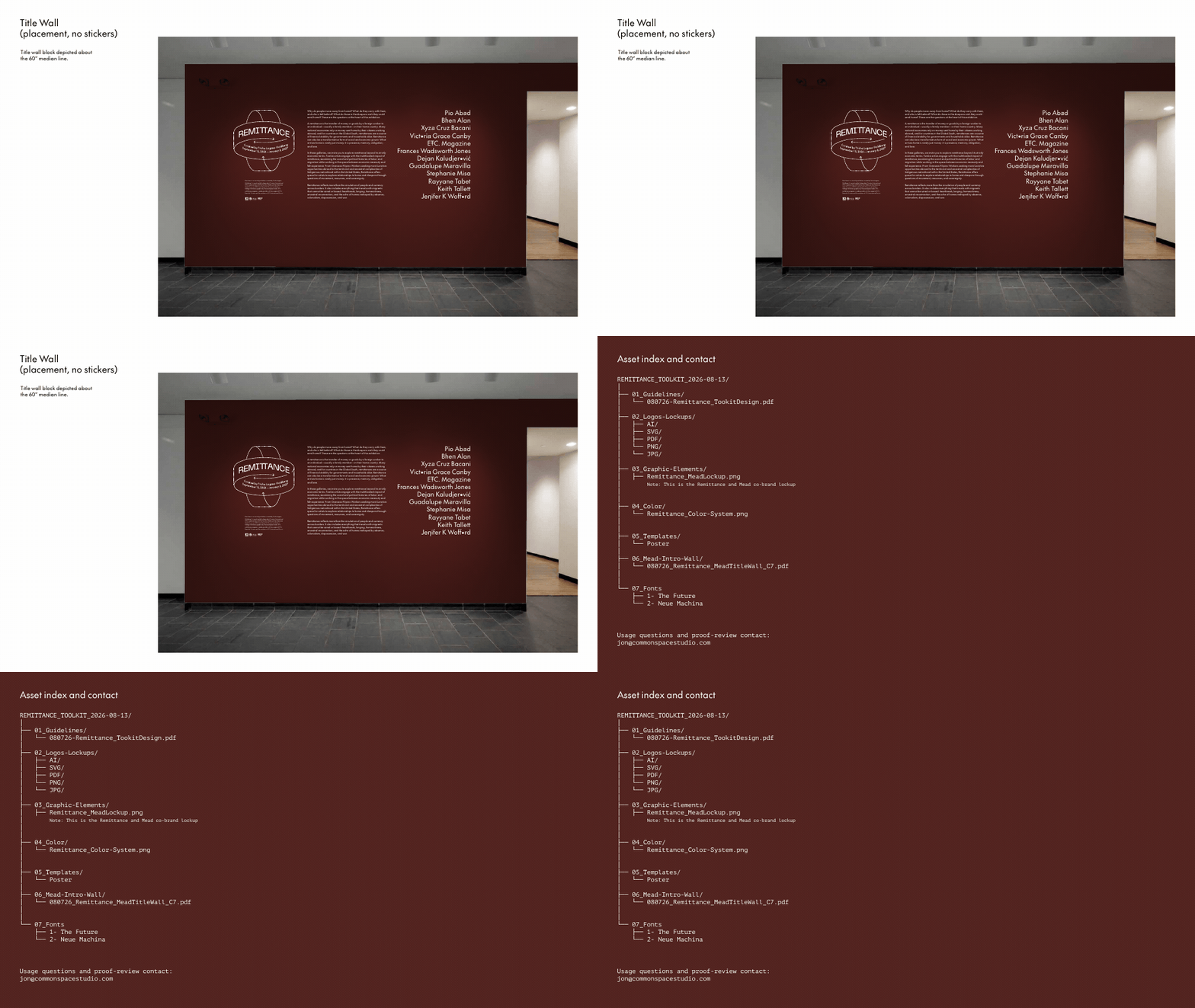
Remittance, a traveling exhibition for which Common Space developed exhibition graphics, examines migration, labor and the relationships that persist across borders. I'm writing from London on my way to Cairo, while spending much of my life between Honolulu and New York City, and I recognize that my American passport, education and professional relationships have given me forms of access that many people don't have. More and more I think about what reciprocity means when you can move between places and draw so much from them. In the studio, a commission might begin with typography or an identity system, but the larger question is often how the people, stories and places involved are being connected, and on whose terms.
More recently, I've been joining loosely organized dinners with Filipino and Filipino American artists and curators in and around New York. They happen in people's homes, usually by invitation, and they're admittedly somewhat exclusive. There's no name, logo or website, and nobody seems particularly interested in giving them one. They remind me of the Filipino households I grew up around, even though my own family took another shape after my parents divorced. It's funny that after avoiding Filipino club in high school, I find myself appreciating another version of one now. I sometimes think my identity is a half truth and yearning, simultaneously. I have spent years naming things, giving them visual form and creating places for people to gather, but perhaps some of the most consequential spaces don't need to be branded at all. What does design contribute to belonging when the feeling of belonging already exists, and what can it make possible when it doesn't?