
.svg)
.svg)
There was a nightclub I used to go to in 2003 that was designed like a living room. At that time, New York City’s nightlife was heavily shaped by the Cabaret Law, a 1926 Prohibition-era statute that prohibited dancing by more than three people in any venue selling food or drink without a rare and expensive “Cabaret License.”
Under the Giuliani and Bloomberg administrations, strict enforcement of this law, often as part of “quality of life” policing, forced many venues to operate as “lounges” rather than traditional nightclubs to avoid police raids and heavy fines. This regulatory environment birthed unique spaces like APT in the Meatpacking District, which leaned into the “lounge” loophole by designing its interior to resemble a private apartment, complete with velvet sofas and a queen-sized bed. In effect, it branded its dance floor as a social living room to bypass the city’s restrictive anti-dancing ordinances.
Around that time, I was sharing studio space in SoHo with an art collective called Surface to Air. This is where I met an artist named Daniel Jackson, who was designing jewelry, objects, and graphic tees. We were often screen printing late into the night, both of us working independently. At the time, we didn’t really consider our means of production or the immediacy of the work we were making. I was designing graphics for record labels, local shops, skateboard companies, and apparel. All contracted work for hire.
Daniel was working with a similar intensity, but he was also producing, distributing, and selling his work between New York and Paris. There was already a sense that his practice was not confined to one place or one format.
Years later, I was heading to the Tate Modern to see the opening of Anicka Yi’s show In Love with the World, and I invited Daniel to join me. He was living in London at the time, and I wanted to catch up. During that conversation, he mentioned that he was working on a clothing line called “Rooms” with Jude Law and Christopher De Gabriele.
We started talking about the design of a traditional single-family home, something like a brownstone in Brooklyn or its equivalent in London. The idea was that different looks and combinations of clothing would relate to domestic configurations and functions, but were intended to travel and correspond to blocks of leisure time. Something like coming out of Covid, but not in sweatpants. An idea that appears with a clarity that exceeds the medium it is meant to inhabit.
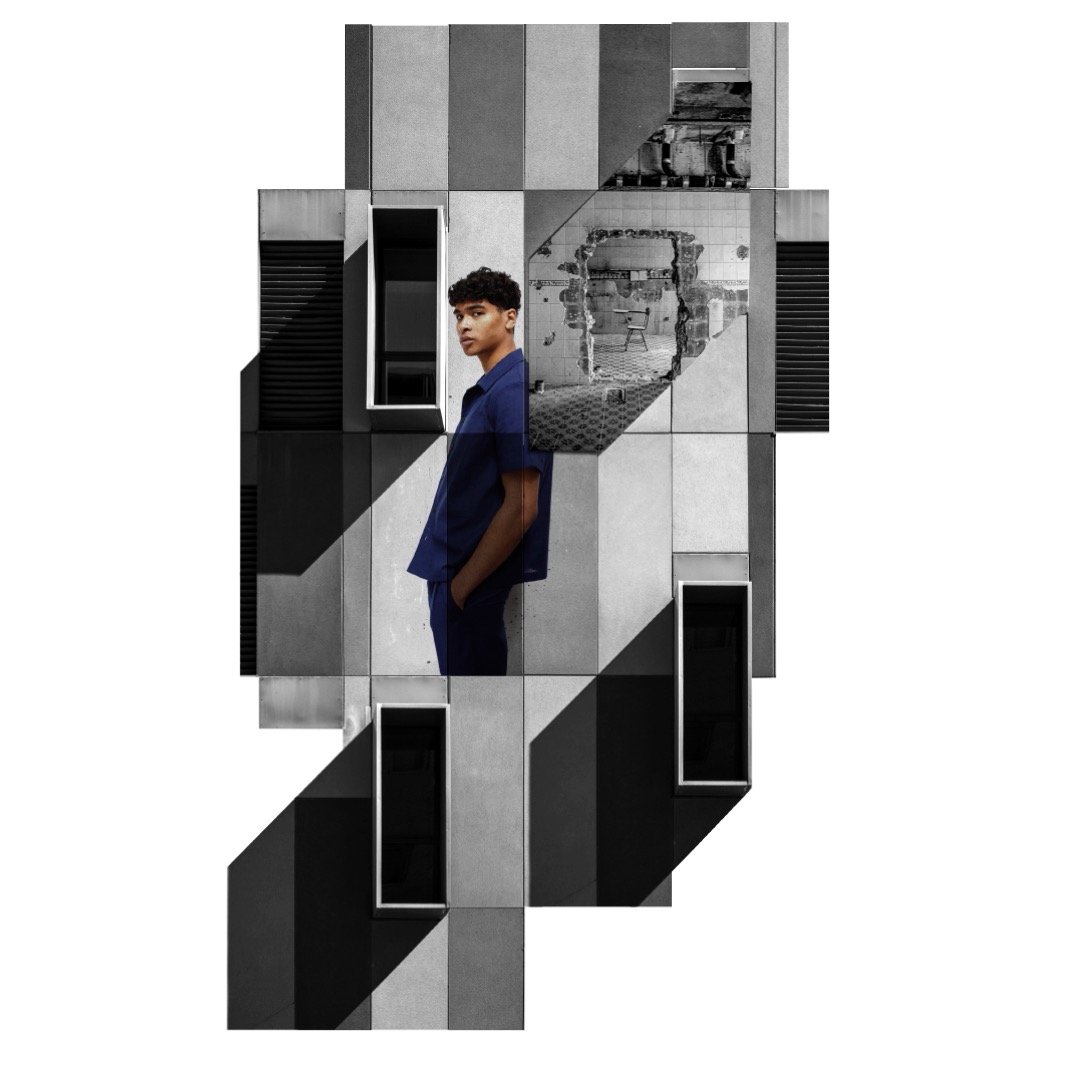
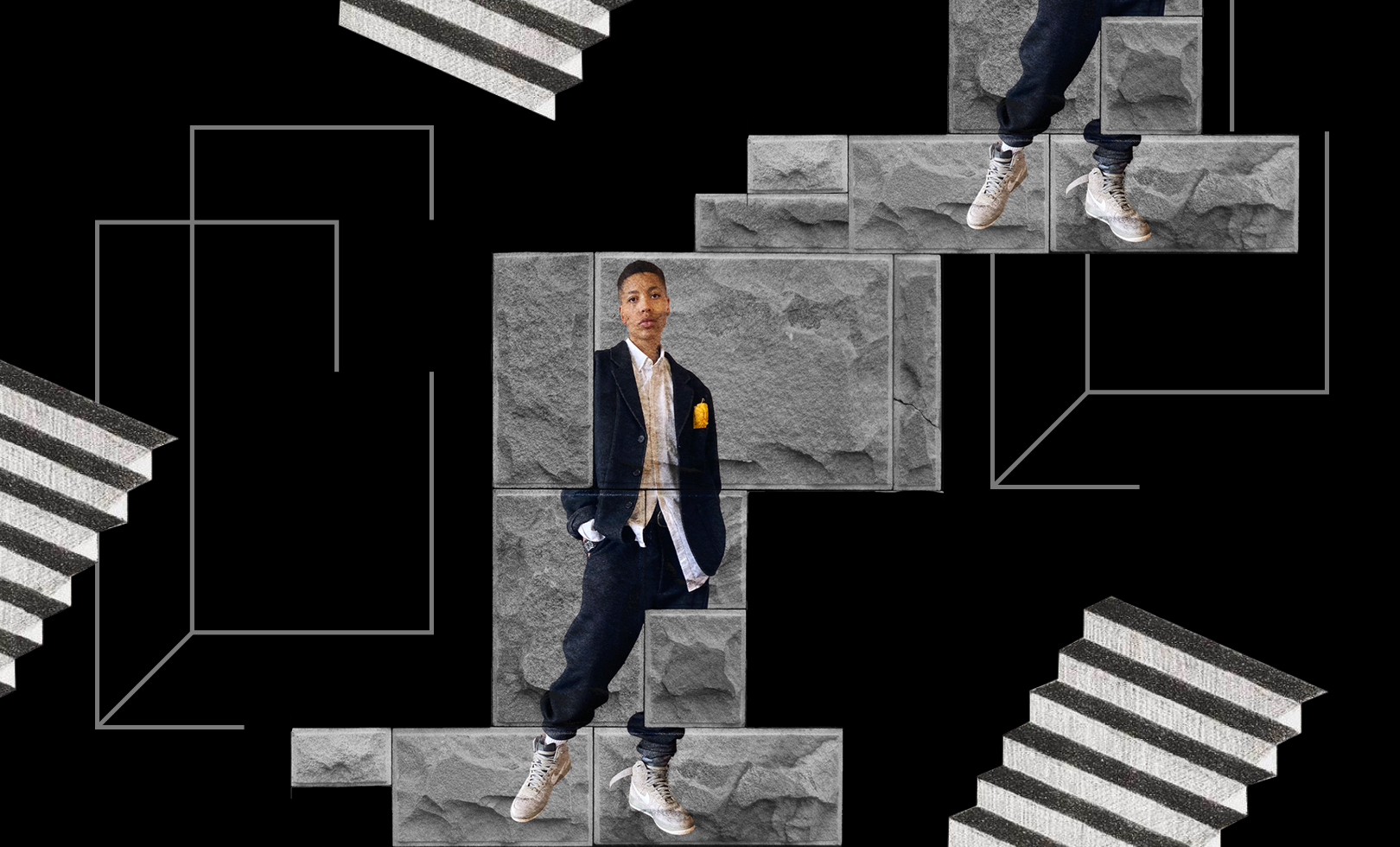
The idea was to build a website organized around “rooms” as spaces of experience rather than product categories. I’m sure that this metaphor was overused in UX meetings from web 1.0 but I assure you, there was a stylistic approach to this that made it stand on it’s own!
While the site needed to support a clear path to purchase, it was equally intended to function as a curated platform for discovery, where film, music, text, and objects could coexist. Drawing from cinematic and architectural references, the experience embraced abstraction, randomness, and play. Jude Law’s role extended beyond association, contributing original films and helping shape the project as a content-driven system, where garments were situated within a broader field of atmosphere and narrative rather than treated as isolated products.
That orientation came directly from his background in film. Jude Law’s participation did not proceed from fashion in any conventional sense. It proceeded from a way of understanding film as a spatial medium. A sequence of rooms. Scenes that are entered, inhabited briefly, and then left behind, each carrying its own atmosphere and internal time. Within that framework, the garments functioned as a practical layer, something to be worn, used, and circulated.
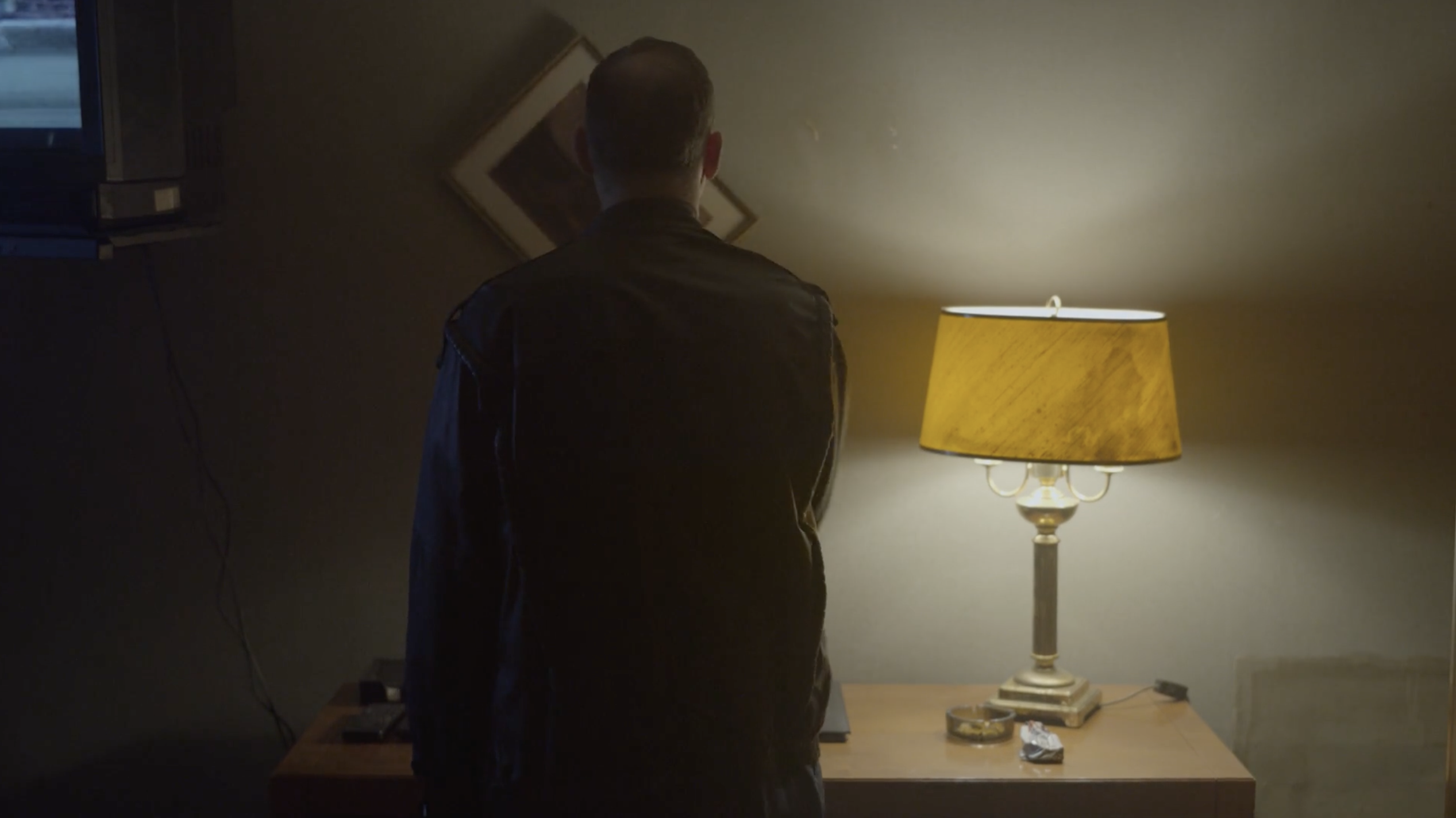
In earlier conversations, Jude shared with us a short film he directed titled The Key. The film unfolds entirely within a single hotel room and operates less as a conventional narrative than as a closed system under pressure. A man arrives to retrieve a key from what appears to be a dead body, methodically dismantling the room in a sequence that oscillates between suspense and dark humor. The search becomes increasingly invasive, collapsing the boundary between object and body, until the logic of the scene reverses and the “dead” man reanimates, forcing a confrontation that never fully resolves.
In terms of structure, what remains is not a conclusion but a loop, as the key changes hands only to be reabsorbed into the system, suggesting that the room itself produces repetition rather than closure. I wish this were true of all the artist studios, nightclubs, and record shops that are now limited by financial capital and an out-of-control real estate market.
The film is instructive not for its plot, but for how it demonstrates a contained environment generating its own internal logic, where objects circulate, roles destabilize, and narrative resists finality.
The storyline, as macabre as it is, isn’t really the point. What stands out is the figure of the operator, the man tasked with retrieving something, and the tools he carries with him. The room becomes a transitional space for transaction, absurdity, and duty. Something about what happens behind closed doors, and the uniforms, both literal and psychological, required to carry out that work.
That logic does not stay inside the film. It carries into other forms in a way that feels surprisingly natural. Clothing, in this sense, can be understood as something more than an object. It creates a condition around the body, much like a room creates a condition around a scene. It shapes how someone moves, how they are perceived, and how they relate to their surroundings. The film shows how a contained space can generate its own behavior; the clothing extends that idea into something portable. The shift from film to garment is therefore not a drastic leap, but a change in scale. In both cases, what is being built is a situation that frames presence and continuously negotiates the boundary between inside and outside.
What the Rooms concept proposed was a further translation. From filmic space into a system that could hold multiple forms simultaneously. Not a literal house, but a structure composed of differentiated zones. Each room functioning as a container for a particular kind of content. Moving between them would not simply be navigation. It would be a shift in register. From sound to image, from text to object, from one atmosphere to another.
The room that Daniel and I shared in SoHo was also shared with a record label called A Touch of Class, an electroclash, post-punk label. Taeko Baba, who was from Tokyo, produced anime film festivals in New York. Other friends and collaborators moved in and out of the space over the years. At the time, I didn’t make the connection, but in many ways that room held the same kind of overlapping energies.
I remember Alfredo Martinez would show up occasionally, sleeping on the couch at unpredictable hours. Alfredo was a provocative New York artist who became known for forging Jean-Michel Basquiat drawings, which led to a federal prison sentence. He later reframed that history as part of his practice, producing work in prison using improvised materials. Beyond the mythology, he was deeply embedded in the underground scene, moving between roles in a way that now feels familiar.
Thinking back on that space, I’m struck by how much of it was unintentional. It was simply a room that allowed different people, practices, and ideas to pass through it.
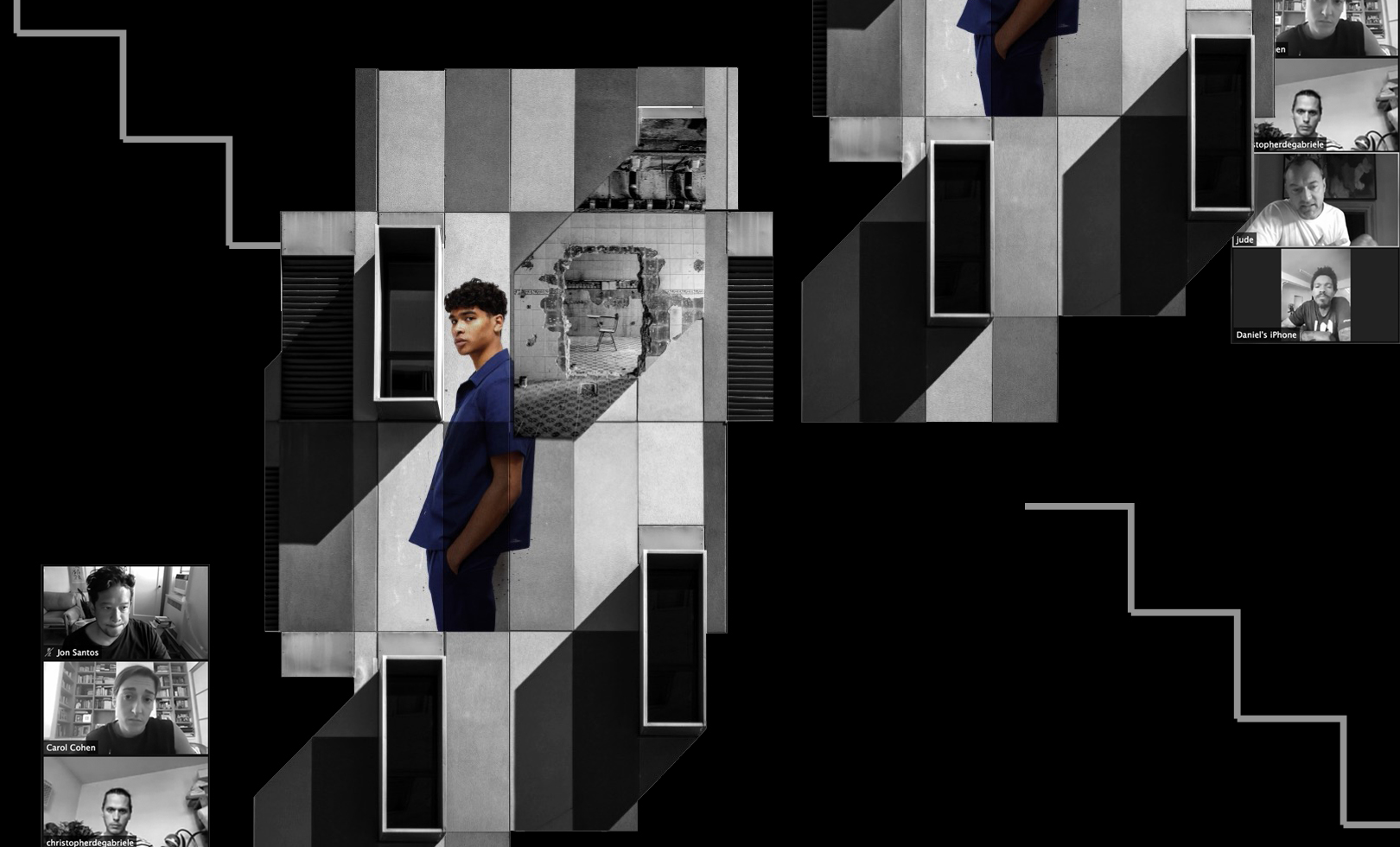
Years later, when Daniel approached Common Space with the Rooms project, I began to understand that what he was describing was not entirely new. The language of rooms, of shared environments, of content moving between registers, was something we had already experienced physically. The project became a matter of translating that condition into another system.
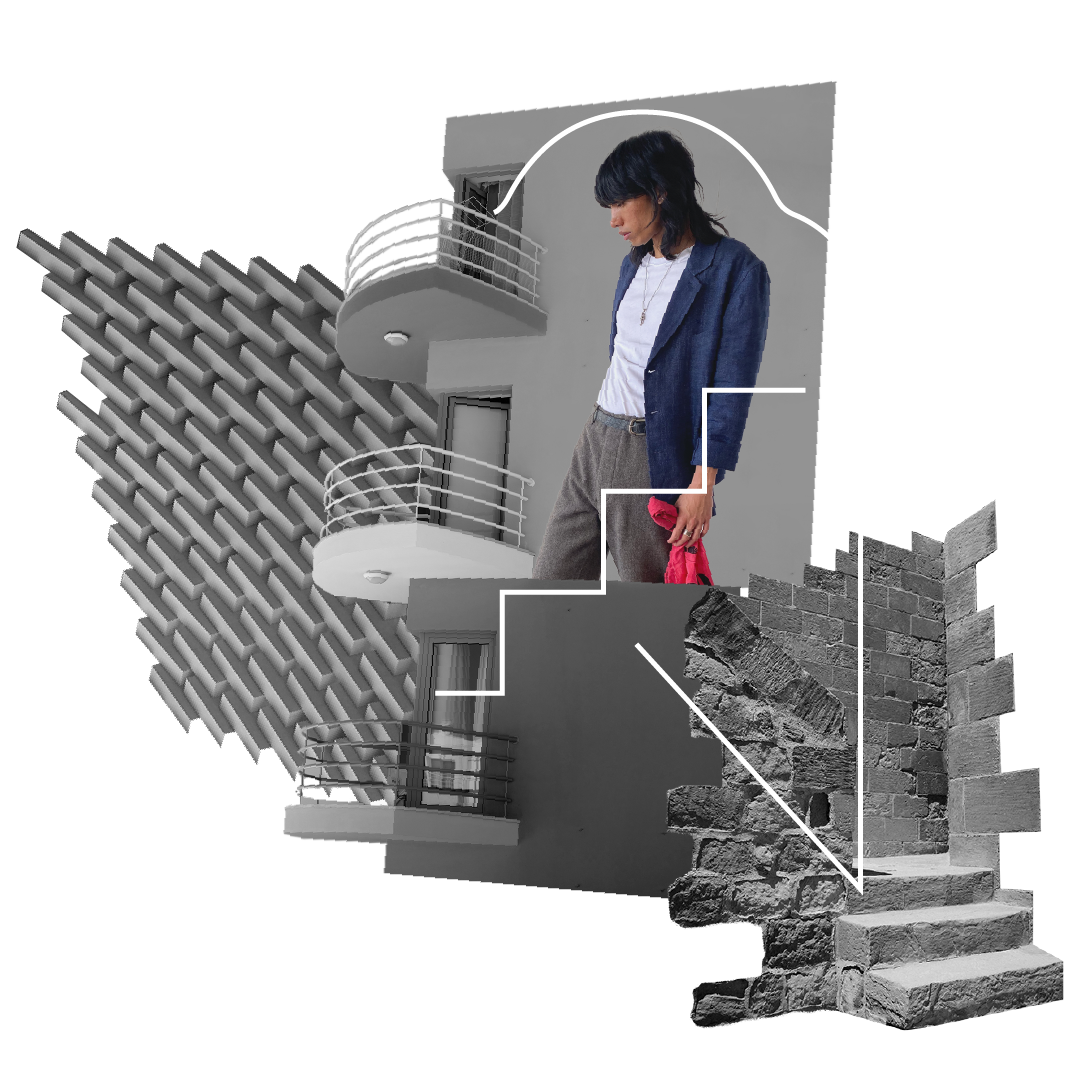
In this case, the idea of the room operates as a structure. It organizes how clothing is arranged, how it is encountered, and how it relates to the body. It is at once architectural, cinematic, and social. A room is never only a physical enclosure. It is also a set of situations, a set of relations between people, objects, and time.
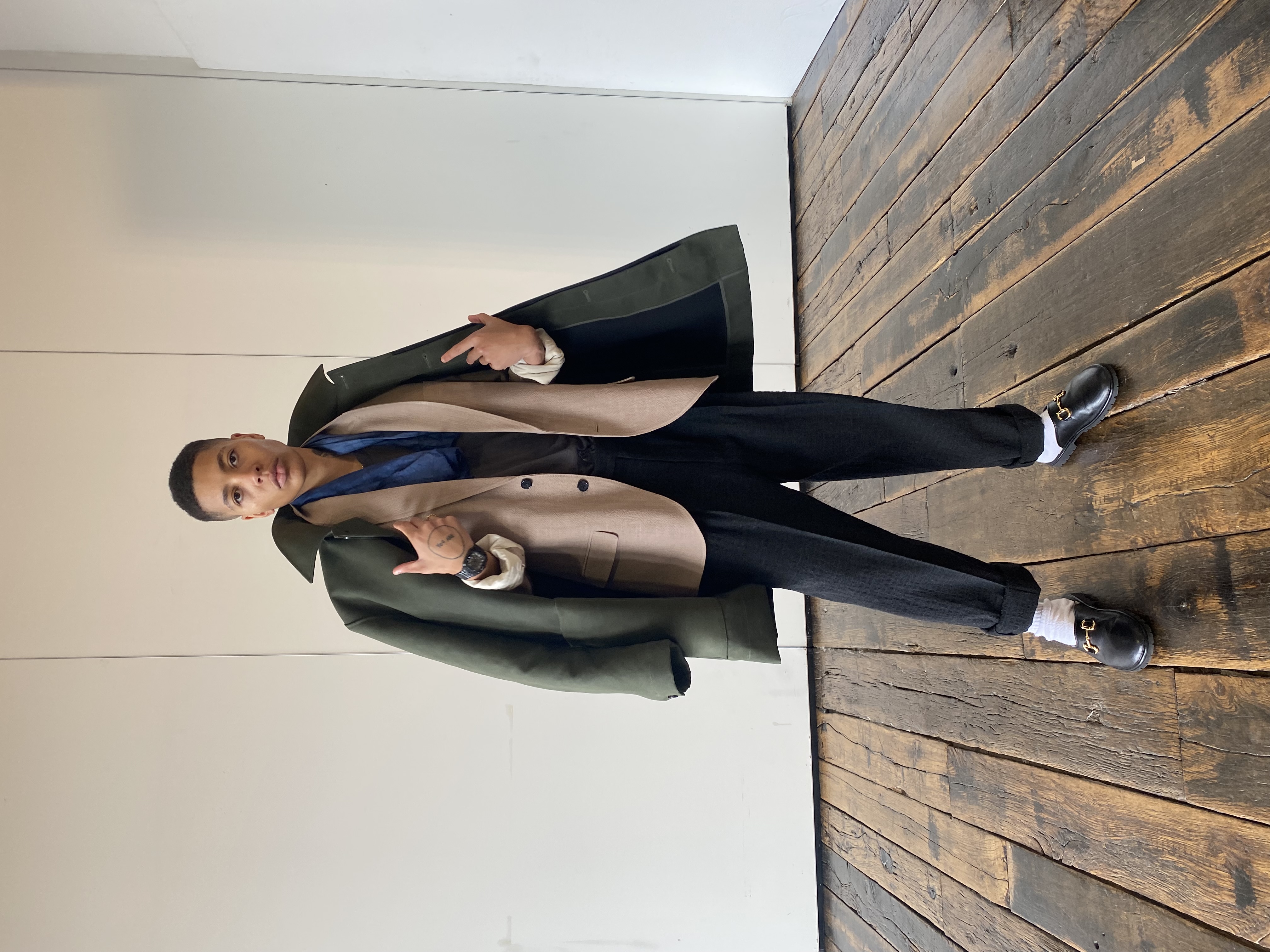
For better or worse, sharing space now often requires a different kind of access. It is increasingly something you have to pay into. I don’t think I would have encountered the same mix of people and ideas inside a co-working space today (Except maybe at Boxjelly Ward in Honolulu).
This is part of what makes the Rooms project resonate. It translates a way of thinking that comes from lived, shared environments into a system that was ultimately meant to function as a clothing line. It is better understood as a study in translation rather than a finished artifact. The film suggests a way of organizing attention within a bounded space. The clothing suggests a way of carrying that space into the social world. The broader system suggests a way of arranging multiple such spaces into a larger environment.
The project itself never fully materialized. It was being developed in 2022, at a time when production and labor across Europe were shifting in response to the war in Ukraine. Those conditions made it difficult for the project to stabilize and move forward.
I still think about it often. Not because of what it became, but because of how we were thinking. We were working across film, fashion, and spatial ideas at the same time, arriving at something that felt coherent without needing to be reduced to a single format. In a sense, we were abstracting architecture and redistributing it across mediums.
Rooms was less a brand than a proposition. That an idea emerging from people working across film, fashion, and product could reorganize how we think about clothing. That spatial thinking can inform systems that are not strictly architectural. That cultural work increasingly operates through these crossings, where the boundaries between medium or practice matter less than the coherence of the thinking that moves between them.
Rooms
Creative Direction: Daniel Jackson
Concept & Film: Jude Law
Project Development: Christopher De Gabriele
Michelle Mahlke (Strategy)
Anna Heneback (Technical Consulting)
Derik Santini (Photography)
Common Space Studio
Jon Santos (Design Direction)
Jarin Moriguchi (Design)
Aly Levstein (Motion Graphics)
Carol Cohen (Project Coordination)
Liz Zamudio (Accounts)